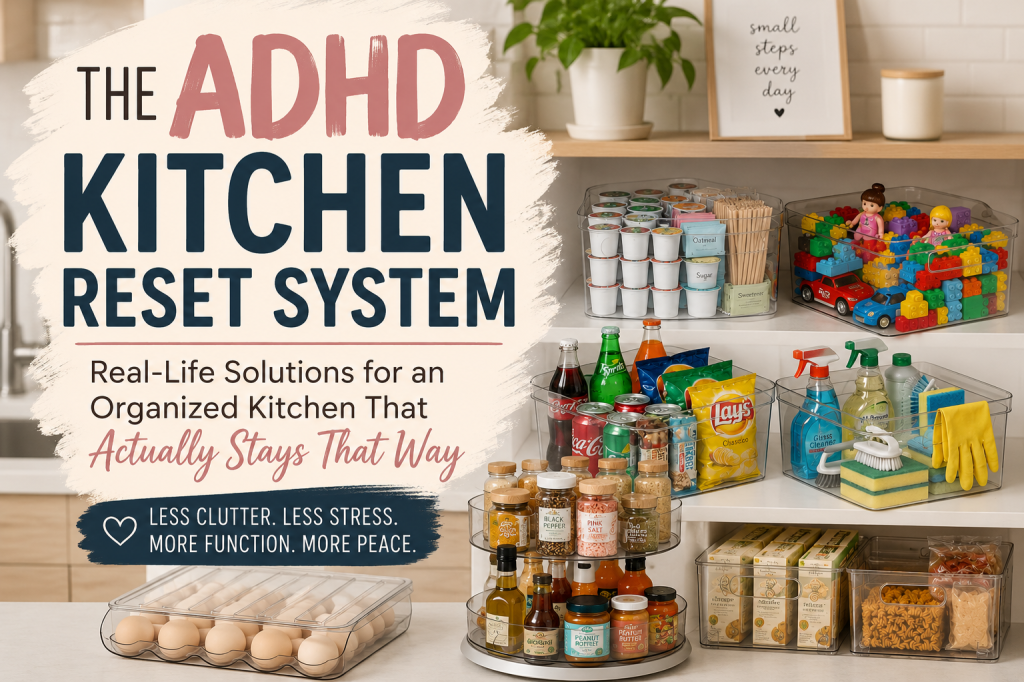
The Realistic Way I Keep My Kitchen Functional Without “Having It All Together”
There’s a very specific type of ADHD stress that comes from walking into your kitchen and immediately feeling defeated.
The dishes are somehow multiplying.
There’s mail on the counter.
A random screwdriver appeared next to the toaster three days ago.
The fridge contains:
- shredded cheese
- expired lettuce
- six sauces
- absolutely nothing you can make for dinner
And somehow every single surface feels visually loud.
If you have ADHD, the kitchen can quietly become one of the biggest sources of overwhelm in your entire home. Not because you’re lazy. Not because you “don’t care.” But because kitchens require constant maintenance, decisions, transitions, remembering, planning, cleaning, and task switching — which are basically ADHD boss battles.
So instead of trying to become the kind of person who naturally keeps a Pinterest-perfect kitchen clean 24/7, I started building what I call my:
ADHD Kitchen Reset System
Not a perfect system.
Not a minimalist system.
Not a “wake up at 5 AM and meal prep organic vegetables” system.
A realistic system designed to:
- reduce visual clutter
- make cleanup easier
- remove friction
- help me feed my family
- and make the kitchen feel less emotionally exhausting
And honestly? It changed everything.
1. I Stopped Organizing for Aesthetics and Started Organizing for ADHD
This was the biggest mindset shift.
I used to buy cute containers and then wonder why my kitchen still felt chaotic.
Because ADHD organization is not about making things pretty first.
It’s about:
- making things visible
- easy to access
- easy to put away
- and impossible to ignore
So instead of complicated systems, I started using:
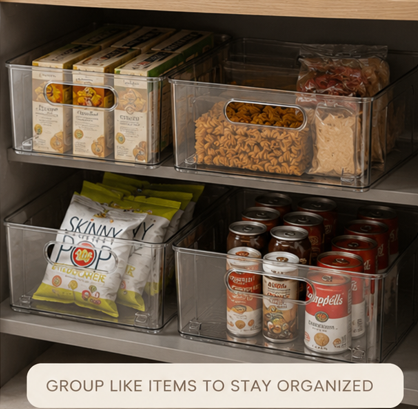
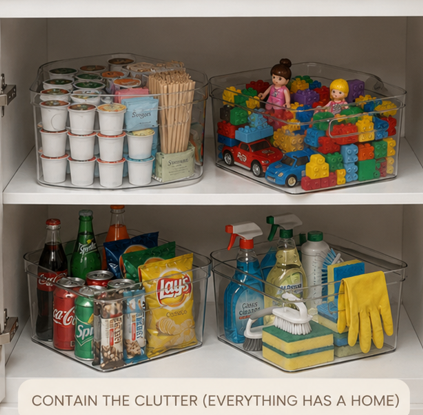
Clear Fridge Bins
These are life-changing if your brain forgets food exists the second it goes behind something.
I use separate bins for:
- snacks
- drinks
- lunch stuff
- “eat this first”
- kid grab-and-go food
When everything has a visual “zone,” it becomes WAY easier to maintain.
Some favorites:
- stackable fridge bins
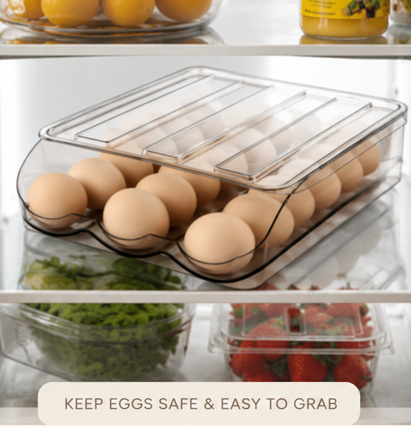
- clear produce drawers
- egg holders
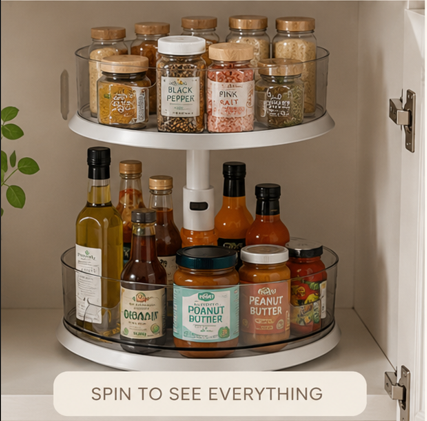
- lazy susans for condiments
The goal is basically:
“Make future me’s life easier.”
2. I Created a “Reset Basket” Instead of Fighting Clutter
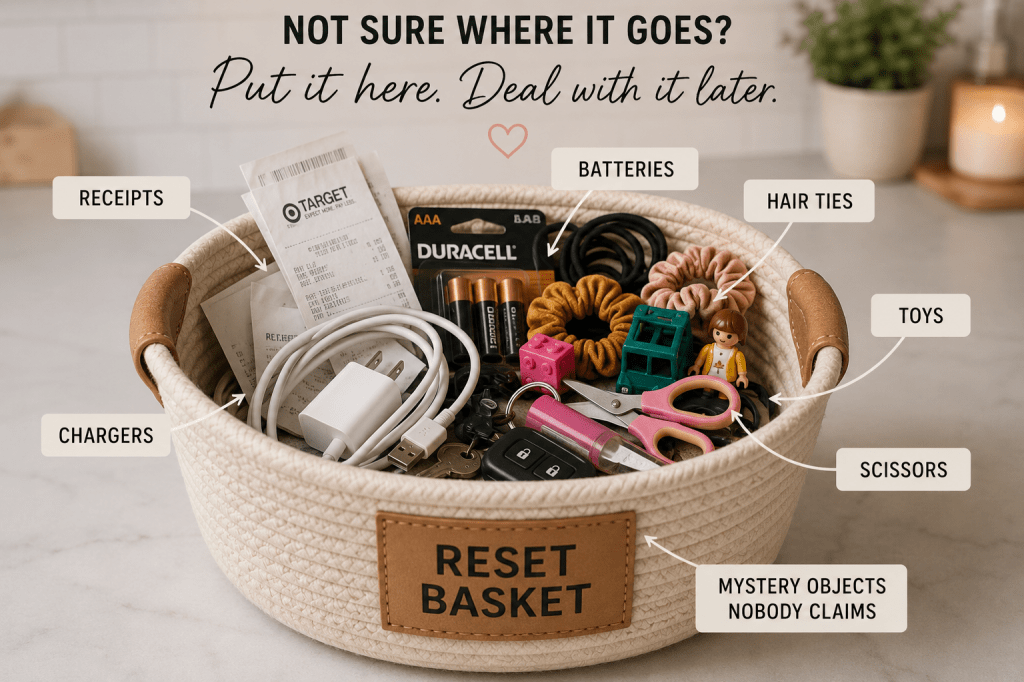
You know all the random stuff that lands in the kitchen?
- receipts
- batteries
- hair ties
- toys
- chargers
- scissors
- mystery objects nobody claims
ADHD brains tend to create doom piles because our brains struggle with:
- categorizing
- transitioning tasks
- decision fatigue
So instead of expecting myself to immediately put every item away perfectly…
I created a designated basket.
That’s it.
Now the clutter at least has a home until I can reset later.
This one tiny change made my counters look cleaner almost instantly.
3. Visual Timers Make Cleaning WAY Easier
One of the hardest parts of ADHD cleaning is starting.
Because our brains interpret:
“clean the kitchen”
as:
“climb Mount Everest.”
But cleaning for 10 minutes?
That feels manageable.
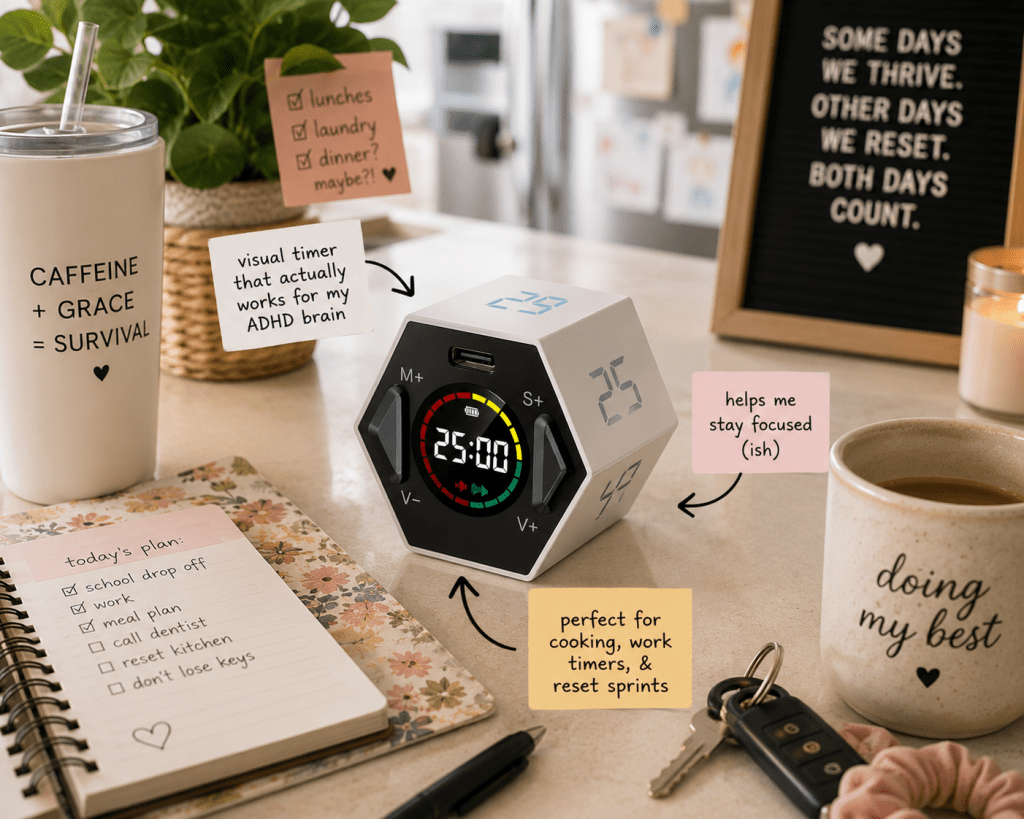
A visual timer completely changed this for me because it:
- externalizes time
- reduces overwhelm
- creates urgency
- makes cleaning feel finite
I’ll literally set:
- 10-minute kitchen resets
- 15-minute “close the kitchen” sprints
- 5-minute dishwasher races with my kids
And somehow my brain tolerates it WAY better.
Honestly, ADHD people don’t always need more motivation.
We need tasks to feel smaller.
4. I Stopped Hiding the Things I Actually Use
Traditional organization advice says:
“Put everything away.”
ADHD brains say:
“If I can’t see it, it no longer exists.”
So I stopped trying to create magazine-worthy hidden storage systems.
Now:
- the cleaning spray stays on the counter
- the paper towels are visible
- snack bins are easy to grab
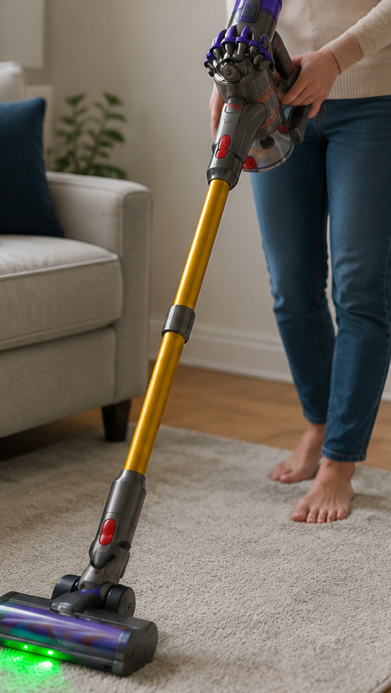
- the cordless vacuum is accessible
- the disinfecting wipes stay where the messes happen
Because friction is the enemy.
If cleaning requires:
- opening cabinets
- finding supplies
- assembling tools
- remembering where things are
…it’s much less likely to happen.
5. Cordless Cleaning Tools Are Worth Every Penny for ADHD
I resisted cordless cleaning gadgets forever because I thought they were unnecessary.
I was wrong.
Anything that removes setup steps helps ADHD brains.
My biggest kitchen game changers:
- cordless stick vacuum
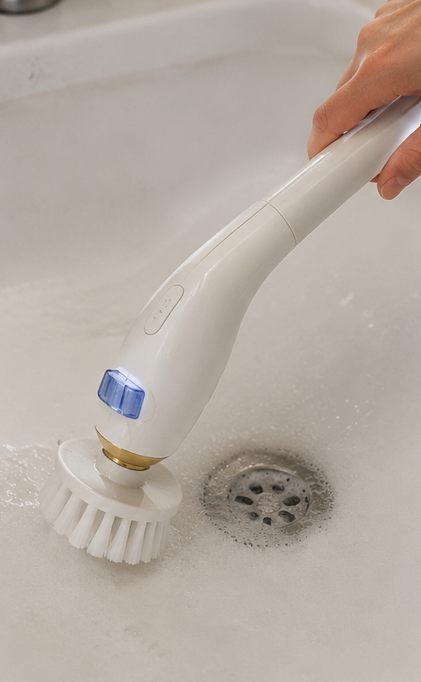
- electric spin scrubber
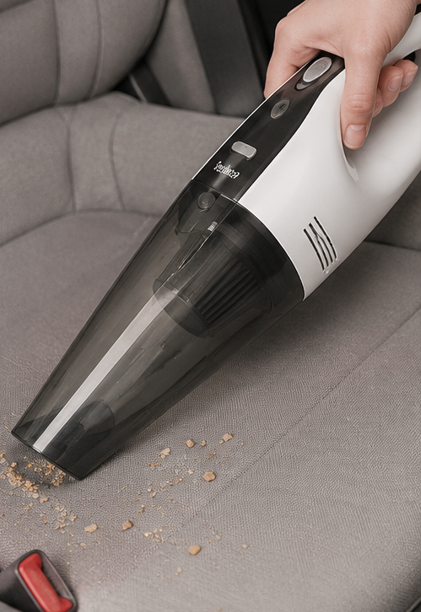
- handheld vacuum for crumbs
- countertop cleaning wipes
- rechargeable mini vacuum
Because when cleaning is easier to START, it gets done more often.
Not perfectly.
Just more consistently.
And honestly?
Consistency matters more than perfection.
6. Meal Planning Had to Become “ADHD-Friendly”
You know what never worked for me?
- elaborate meal prep
- complicated schedules
- cooking from scratch every night
- planning 14 meals in advance
What DOES work:
- repeating easy meals
- visual meal boards
- keeping backup freezer food
- snack stations
- “ingredient households”
- simple rotation systems
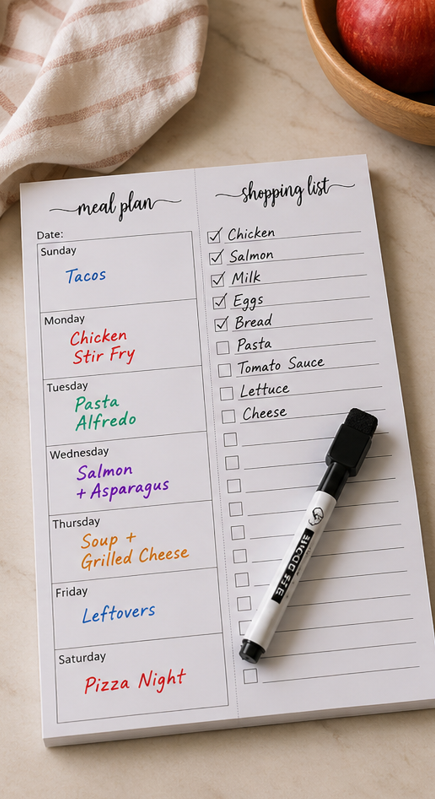
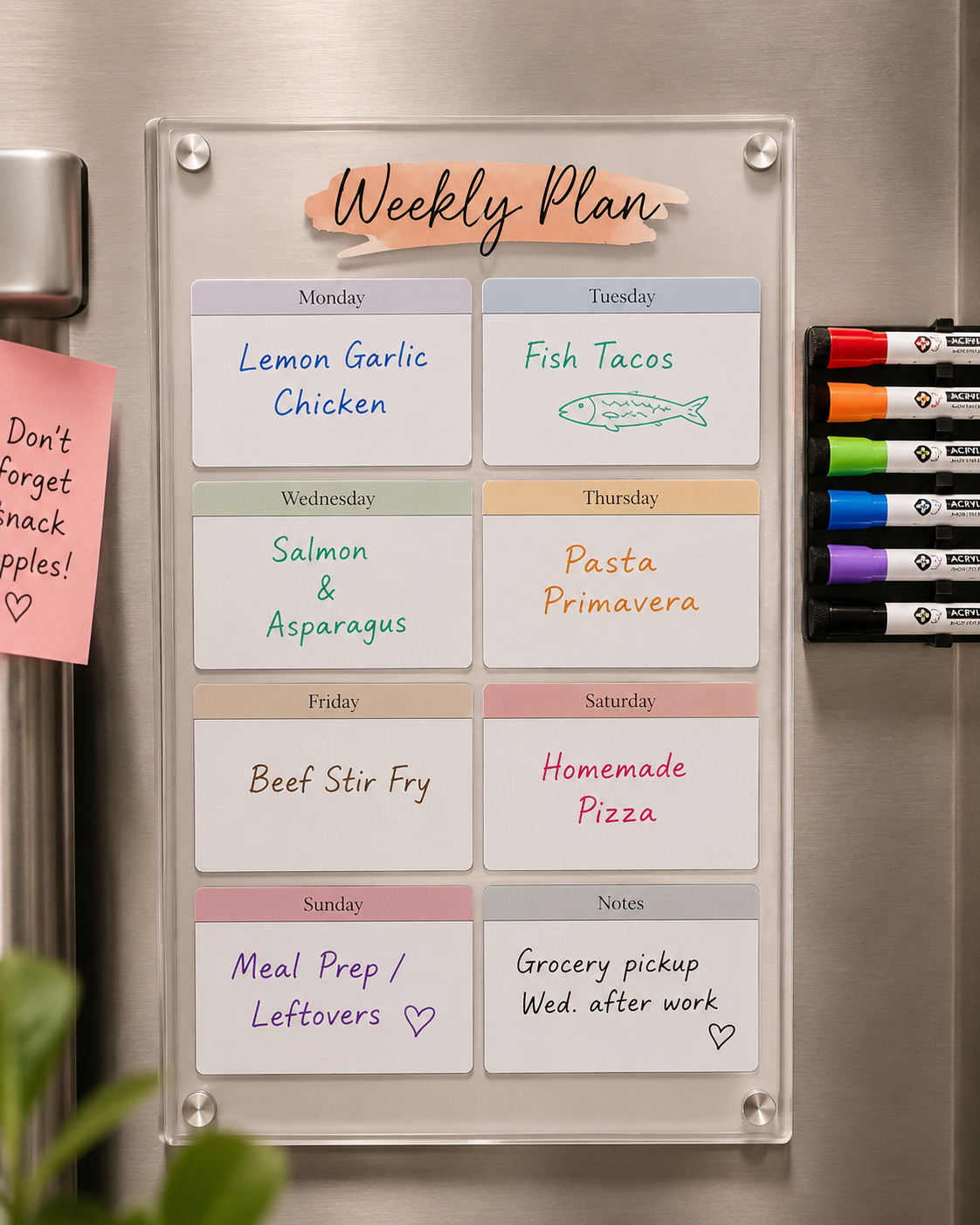
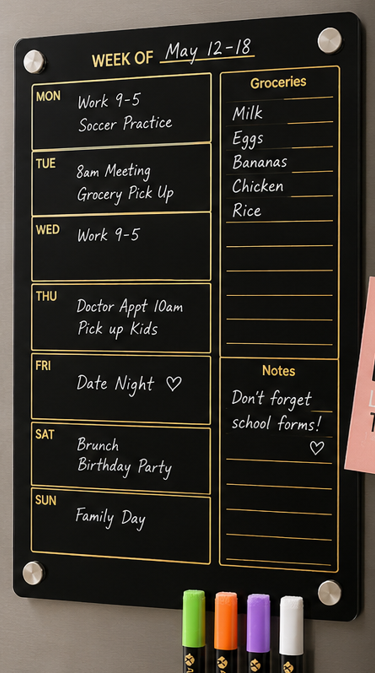
One of my favorite things I added was a dry erase meal planner on the fridge.
Not because I suddenly became organized…
…but because it removes the mental load of figuring out dinner at 5:42 PM while everyone is hungry and overstimulated.
7. I Started Designing My Kitchen Around Real Life
Not fantasy life.
Real life.
Real life means:
- cereal boxes on the counter sometimes
- dishwasher clean/dirty confusion
- snack explosions
- ADHD doom cups
- burnout days
- survival dinners
- clutter phases
And honestly?
That’s okay.
The goal of an ADHD kitchen isn’t perfection.
The goal is:
- less stress
- less shame
- less friction
- easier cleanup
- easier feeding yourself
- and a home that supports your brain instead of constantly fighting it
ADHD Kitchen Products That Actually Help
Here are some of the ADHD-friendly kitchen tools that genuinely made my life easier:
Organization
- clear fridge bins
- lazy susans
- drawer organizers
- snack organizers
- acrylic pantry bins
- label makers
Cleaning
- cordless stick vacuum
- electric spin scrubber
- handheld vacuum
- disinfecting wipes
- countertop cleaning kits
ADHD-Friendly Systems
- visual timers
- acrylic wall calendars
- dry erase meal planners
- magnetic grocery pads
- rolling carts
- catch-all baskets
None of these magically cured my ADHD.
But they DID remove barriers.
And sometimes that’s the difference between:
functioning
and
completely spiraling.
Final Thoughts
If you’ve been struggling to keep your kitchen under control, I need you to know something:
You are not failing at adulthood.
ADHD brains struggle with:
- task initiation
- transitions
- working memory
- overwhelm
- visual clutter
- executive dysfunction
The solution usually isn’t:
“try harder.”
It’s:
“make life easier.”
Tiny systems matter.
Reduced friction matters.
Visible organization matters.
Functional homes matter.
And you deserve a home that works with your brain instead of against it.
As an Amazon Associate, I earn from qualifying purchases. Some of the links in this post are affiliate links, which means I may earn a small commission if you purchase through them — at no extra cost to you. I only share products that genuinely help make ADHD life easier, more functional, and less overwhelming for busy moms, chaotic homes, and real-life routines. Thank you for supporting Unfinished Tasks Co and helping me continue creating free ADHD-friendly content and resources.
 Unfinished Tasks Co.
Leave a comment